
How to Show Ads to People Who Visited Your Website

Meta retargeting explained
In the fast-paced world of digital marketing, capturing a user’s attention is just the first step. The real challenge lies in keeping them engaged and converting them into customers. This is where Meta retargeting (formerly Facebook retargeting) comes into play. By strategically re-engaging visitors who have interacted with your brand, Meta retargeting helps drive higher conversions and improve ROI.
What is meta retargeting?
Meta retargeting is an advertising strategy that uses data from users who have previously interacted with your website, app, or social media to serve them targeted ads across Facebook, Instagram, Messenger, and Audience Network. It allows marketers to remind users about products they viewed, encourage them to complete a purchase, or bring them back into the sales funnel.
How meta retargeting works
Meta retargeting relies on the Meta Pixel—a small piece of code added to your website that tracks user behavior. Here’s how it works:
- User Visits Your Website: A potential customer browses your site, looking at products or services.
- Meta Pixel Tracks Behaviour: The pixel records the pages visited, time spent, and actions taken (like adding an item to the cart but not checking out).
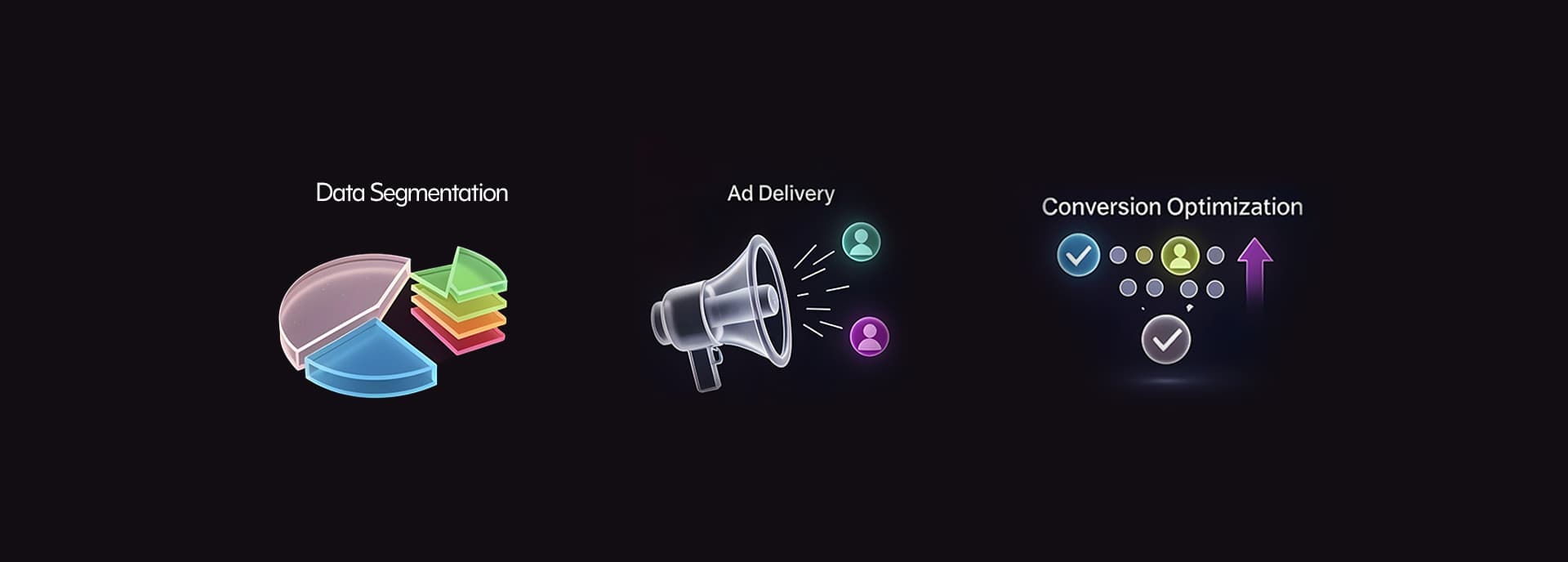
- Data Segmentation: Users are segmented into different retargeting audiences based on their actions (e.g., cart abandoners, blog readers, past customers).
- Ad Delivery: Custom or dynamic ads are shown to these users when they visit Meta platforms, reminding them of what they left behind.
- Conversion Optimization: The goal is to re-engage users and drive them toward conversion, whether it’s completing a purchase, signing up for a service, or another key action.
Benefits of meta retargeting
1. More sales and conversions
People who see retargeting ads are more likely to buy because they have already shown interest in your products or services. Instead of targeting random people, you’re reaching out to those who were close to making a decision.
2. Ads that feel relevant
Since retargeting shows people ads based on what they already looked at, the ads feel more personal and useful rather than annoying or random.
3. Better use of your Ad budget
Instead of spending money showing ads to people who may not care, retargeting focuses on those who are already interested. This means you get better results without wasting your ad spend.
4. People remember your brand
Even if someone doesn’t buy right away, seeing your brand again and again keeps it fresh in their mind. When they’re ready to make a purchase, they’ll think of you first.
Real-world example of meta retargeting
Example: an online clothing store boosts sales with retargeting
Imagine an online clothing store, TrendWear, that sells trendy fashion items. Many visitors browse the website, look at different products, and even add items to their cart—but don’t complete the purchase.
To recover these lost sales, TrendWear sets up a Meta retargeting campaign:
Users who viewed a product but didn’t buy see ads featuring the same items when they scroll through Instagram or Facebook.
Those who abandoned their cart receive a limited-time 10% discount offer in their retargeted ad.
Previous customers who haven’t purchased in a while are shown ads for new arrivals.
As a result, TrendWear sees a 30% increase in conversions from users who originally left the site without buying!
This kind of strategy works across industries—from e-commerce and SaaS to local businesses like restaurants and gyms.
Effective meta retargeting strategies
1. Segment your audience
Not all visitors behave the same way. Create different retargeting campaigns for:
- Cart abandoners: Remind users of items left in their cart with a limited-time discount.
- Product viewers: Show carousel ads featuring the products they viewed.
- Past customers: Encourage repeat purchases with exclusive offers.
- Lead magnet engagers: Retarget users who interacted with your content but didn’t take action.
2. Use dynamic product Ads
Dynamic product ads (DPAs) automatically show users the exact products they viewed on your website, increasing the chances of conversion.
3. Set frequency caps
Avoid overwhelming users with excessive ads. Set frequency limits to maintain engagement without annoying potential customers.
4. Leverage video and interactive Ads
Engaging content like videos and carousel ads can improve user interaction and recall, making your retargeting campaigns more effective.
5. Test and optimize
Think of Meta retargeting like an experiment. Not every ad will work the same way for different people. Try different images, text, and buttons in your ads to see what gets the most clicks and conversions. If an ad isn’t working well, change it and try again. The goal is to keep improving until you find what works best for your audience.
Final Thoughts
Meta retargeting is a powerful tool that helps businesses reconnect with potential customers and maximize their marketing efforts. By implementing smart segmentation, dynamic ads, and continuous optimization, you can improve your conversion rates and achieve a higher return on ad spend.
If you’re not using Meta retargeting yet, now is the perfect time to start. Set up your Meta Pixel, define your audiences, and watch your conversions grow!