3 mins readMarch 11, 2025

For decades, Google has been the default starting point whenever we needed answers. Whether planning a trip, learning a new skill, or fixing a problem, search engines shaped how we explored the internet.
But in 2025, a major shift is underway. Generative AI tools like ChatGPT, Gemini, and Claude are changing how people access information. Instead of clicking through multiple links, users now expect direct, personalized answers delivered instantly.
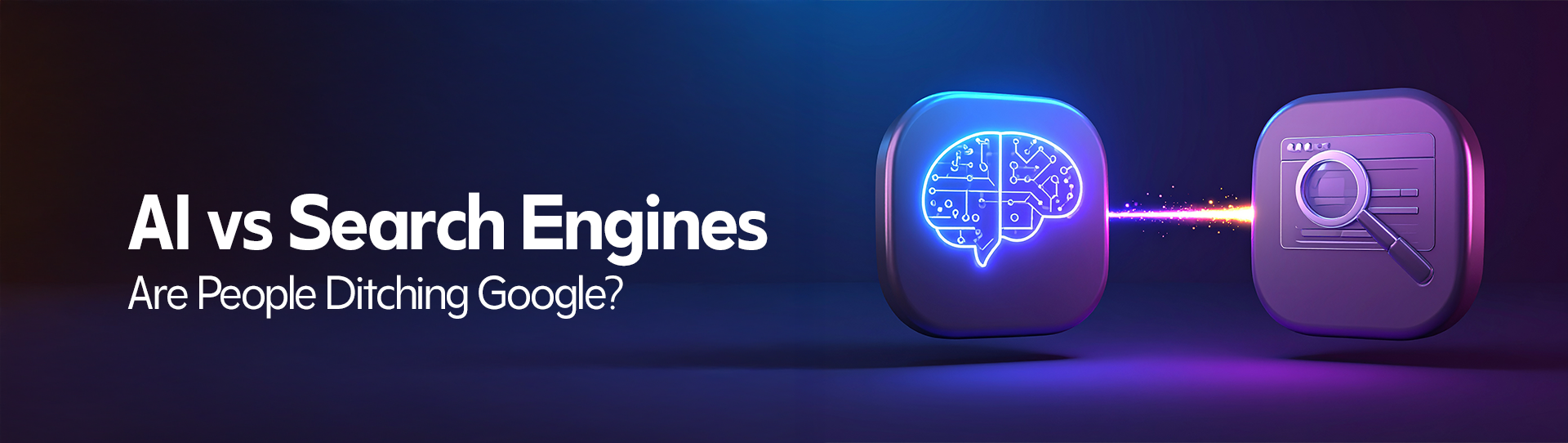
This change has sparked a big question: Are people moving away from search engines like Google and embracing AI as their primary tool for finding answers?
Generative AI offers something that traditional search engines never fully achieved: conversation-based, personalized results. Here’s why more users are making the switch.
Search engines give you a list of links. You then have to spend time browsing through them to find relevant information.
AI tools like ChatGPT skip that step and give you the exact answer right away.Example:Instead of searching “5-day Japan itinerary”, you can simply ask:
“Plan a 5-day budget-friendly trip to Tokyo and Kyoto.”
The AI instantly creates a custom plan, no extra research needed.
Search engines display the same results to everyone. AI tools adapt to your preferences and context.Whether you want a fitness routine, a meal plan, or coding help, AI delivers tailored suggestions instead of generic advice.
Search engine pages are filled with ads, pop-ups, and irrelevant links.AI keeps the experience simple by providing only the most relevant information.
Recent studies reveal a clear trend: 55% of U.S. users now prefer using generative AI over Google for:
This behaviour shift is especially strong among Gen Z and Millennials, who are more comfortable using conversational technology.
Businesses need to focus on creating high-quality, trusted content that AI tools can reference, while also staying visible on traditional search.
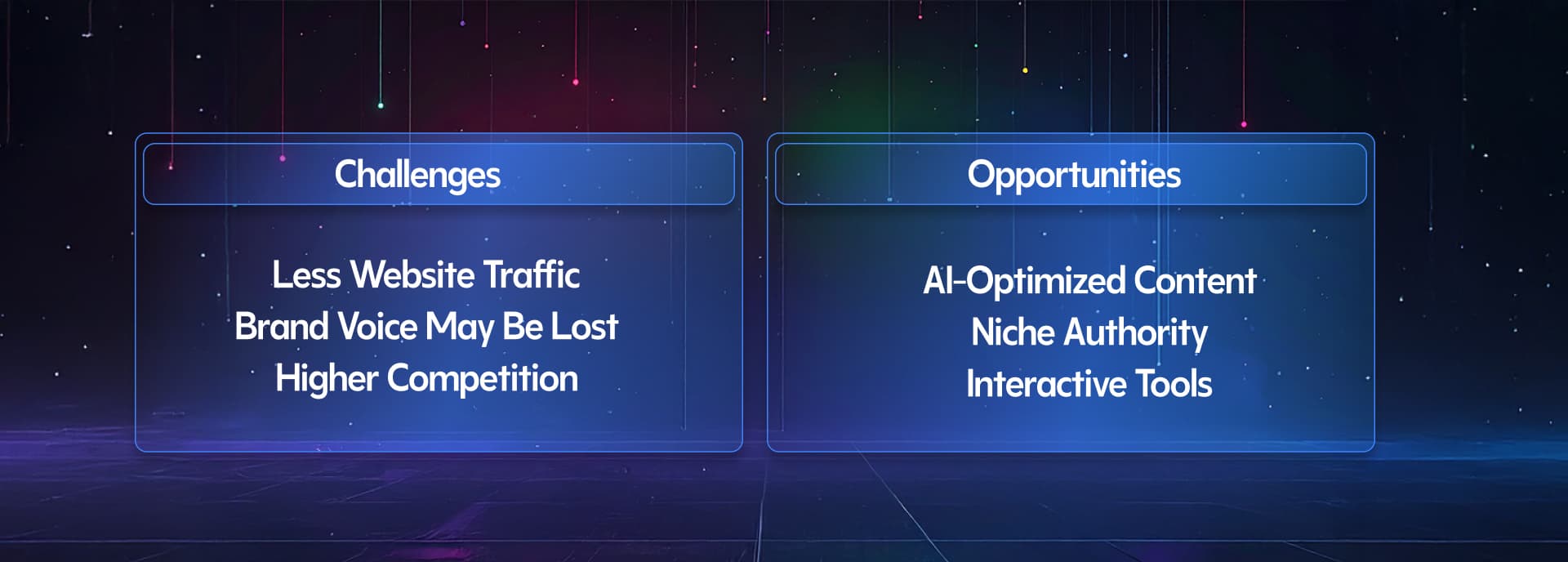
The rise of AI-driven search brings both challenges and opportunities for businesses.
Google isn’t standing still. It has introduced Search Generative Experience (SGE) to keep users engaged.
SGE includes:
While this is a big improvement, many users prefer standalone AI tools like ChatGPT and Gemini because they are ad-free and distraction-free.
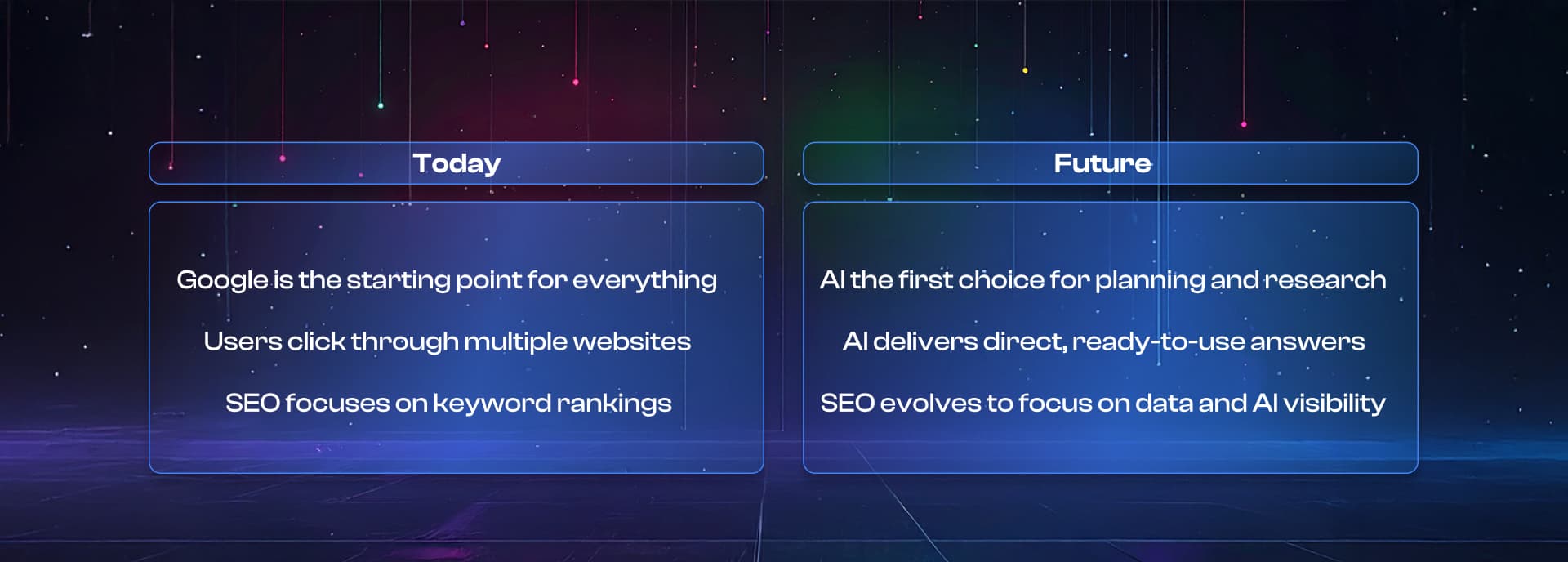
Search engines aren’t disappearing, but their role is changing.
To stay competitive, brands must adapt now. Here’s a simple strategy:
Publish high-quality, expert-driven content. AI tools prefer referencing credible and reliable sources.
Use schema markup and structured data so your information is easy for AI to understand and cite.
Create tools, visualizations, or exclusive insights that AI cannot replicate. This will keep users coming directly to your website.
Include natural language queries in your content, such as:
“How do I migrate a legacy app to the cloud?”
This prepares your content for voice search and AI-driven queries.
Conclusion: A New Era of Search
Generative AI isn’t replacing search engines overnight, but it’s quickly becoming the preferred tool for everyday tasks.
People are drawn to AI for its speed, simplicity, and personalization. While Google remains relevant, businesses must recognize that the future of search is changing.
Success will depend on how well brands adapt their content, SEO strategies, and user experiences to this new AI-first world.
Those who move quickly will thrive, while those who don’t risk being left behind.